【简体中文版】
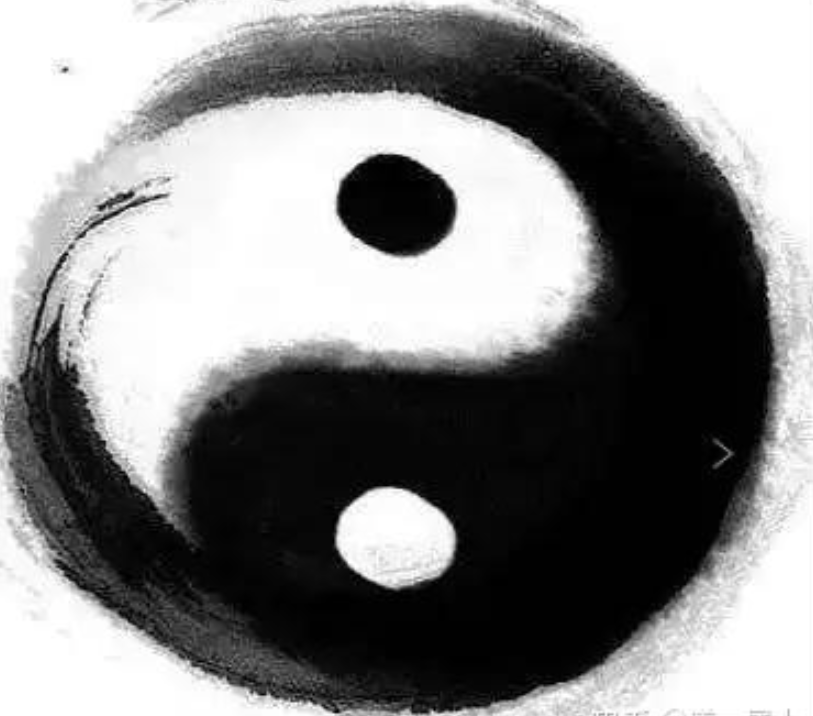
天下皆知美之为美,斯恶已;皆知善之为善,斯不善已。故有无相生,难易相成,长短相形,高下相盈,音声相和,前后相随。是以圣人处无为之事,行不言之教;万物作焉而不辞,生而不有,为而不恃,功成而弗居。夫唯弗居,是以不去。
【繁體中文版】
天下皆知美之為美,斯惡已;皆知善之為善,斯不善已。故有無相生,難易相成,長短相形,高下相盈,音聲相和,前後相隨。是以聖人處無為之事,行不言之教;萬物作焉而不辭,生而不有,為而不恃,功成而弗居。夫唯弗居,是以不去。
【English Version】
All in the world know the beauty of the beautiful, and in doing this they have (the idea of) what ugliness is; they all know the goodness of the good, and in doing this they have (the idea of) what is not good. So it is that existence and non-existence give birth the one to (the idea of) the other; that difficulty and ease produce the one (the idea of) the other; that length and shortness fashion out the one the figure of the other; that (the ideas of) height and lowness arise from the contrast of the one with the other; that the musical notes and tones become harmonious through the relation of one with another; and that being before and behind give the idea of one following another. Therefore the sage manages affairs without doing anything, and conveys his instructions without the use of speech. All things spring up, and there is not one which declines to show itself; they grow, and there is no claim made for their ownership; they go through their processes, and there is no expectation (of a reward for the results); the work is accomplished, and there is no resting in it as an achievement. It is precisely because he does not rest in it that it remains with him.